Discover the Adaptability of Aluminum Castings: Important Realities and Solutions You Should Know
Light weight aluminum spreadings are increasingly recognized for their flexibility throughout numerous fields. Their lightweight nature, deterioration resistance, and strength-to-weight proportion make them a preferred selection in many applications. From vehicle to aerospace, the versatility of these castings is exceptional. Yet, the techniques of production and the variety of solutions available often go undetected. Recognizing these elements can significantly impact job results and effectiveness. What vital realities and solutions should one take into consideration when discovering light weight aluminum castings?
The Feature That Make Aluminum Castings Ideal for Numerous Industries
Light weight aluminum spreadings possess a special combination of residential or commercial properties that provide them extremely suitable for a vast array of industries. Their lightweight nature is among the most considerable advantages, allowing for less complicated handling and lowered transportation expenses (Aluminum Foundry). Aluminum spreadings likewise exhibit superb rust resistance, which extends the lifespan of components in challenging environments. Additionally, they provide good thermal and electrical conductivity, making them suitable for applications calling for efficient warmth dissipation or electric connections
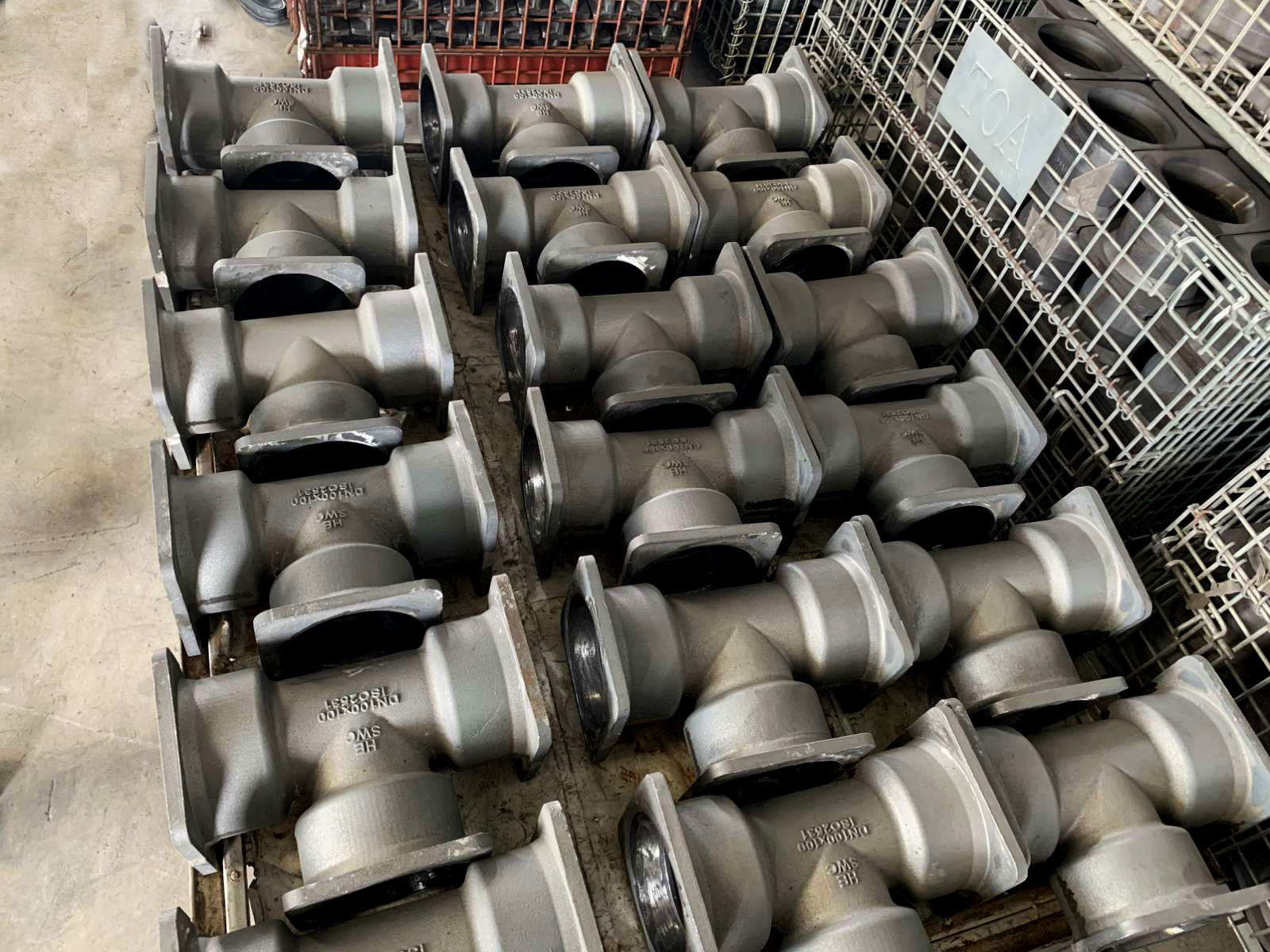
Common Applications of Light Weight Aluminum Castings

In addition, the electric sector regularly uses aluminum spreadings for rooms and real estates, promoting efficient warmth dissipation and enhancing security. The durable goods field utilizes light weight aluminum castings in products such as cooking equipment and furnishings, where visual appeals and performance are extremely important.
The marine market depends on light weight aluminum spreadings for parts that withstand rough environments, such as boat hulls and installations. In general, aluminum castings serve a wide variety of features, showcasing their adaptability and necessary role in modern manufacturing processes.
Various Casting Techniques Described
Recognizing the numerous casting methods is vital for choosing the proper strategy for light weight aluminum spreadings. Two prominent methods, sand casting and die spreading, offer unique advantages and applications. Each approach's one-of-a-kind qualities affect the end product's top quality and suitability for certain uses.
Sand Spreading Refine
While different casting methods exist, sand spreading stays one of the most widely utilized strategies due to its flexibility and cost-effectiveness. This procedure entails developing a mold and mildew from a combination of sand and a binding representative, which develops the dental caries right into which liquified aluminum is put. The sand mold and mildew can be easily formed and recycled, permitting the production of intricate geometries. When the light weight aluminum solidifies, the mold and mildew is damaged away, disclosing the cast component. Sand casting is especially suitable for low to tool manufacturing volumes, making it suitable for personalized elements. Its flexibility to different sizes and shapes, coupled with the ability to fit elaborate layouts, even more boosts its popularity in different markets.
Die Casting Techniques
Die spreading stands for an unique strategy in the field of light weight aluminum casting methods, supplying high precision and performance for mass manufacturing. This approach entails requiring liquified aluminum into a mold and mildew under high stress, guaranteeing a top quality finish and tight resistances. There are 2 primary sorts of die casting: hot chamber and chilly chamber. Warm chamber die spreading appropriates for reduced melting factor alloys and enables fast production cycles. In comparison, cool chamber die casting is utilized for products with higher melting points, requiring the aluminum to be ladled right into the chamber. Both techniques enable the production of complicated forms and complex designs, making die casting a favored option for markets such as automotive, aerospace, and consumer products.
Benefits of Making Use Of Light Weight Aluminum Castings
Numerous benefits make aluminum castings a favored selection throughout different markets. To start with, aluminum's lightweight nature significantly lowers the overall weight of items, improving their efficiency and performance. On top of that, aluminum spreadings display outstanding corrosion resistance, which lengthens product lifespan and decreases Aluminum Foundry maintenance expenses. The product's high thermal and electrical conductivity also makes it perfect for applications in automotive and electronic devices markets.
Moreover, light weight aluminum castings can be generated with complex styles, permitting manufacturers to produce complicated forms that meet particular demands. This versatility not only sustains ingenious layouts however additionally decreases the need for additional machining processes, saving time and resources. Light weight aluminum's recyclability lines up with sustainability objectives, appealing to ecologically mindful services. Jointly, these benefits setting light weight aluminum castings as a premium remedy for a wide variety of applications, making certain sturdiness, performance, and cost-effectiveness in today's affordable market.
Providers Provided by Aluminum Casting Manufacturers

Additionally, they usually supply numerous casting methods, such as sand spreading, pass away spreading, and financial investment casting, each matched for various task demands. Quality guarantee is another critical service, with suppliers executing extensive screening and inspection methods to guarantee that spreadings fulfill industry requirements.
Aluminum spreading firms often assist with completing services, including machining, surface therapy, and coating, enhancing the final item's durability and visual allure. Finally, they may offer logistical support, guaranteeing timely shipment and effective supply chain administration to satisfy client target dates.
Tips for Selecting the Right Light Weight Aluminum Spreading Partner
Choosing the appropriate light weight aluminum casting companion can greatly impact the success of a project (Wisconsin Aluminum Foundry). To guarantee compatibility, business must initially assess the companion's sector experience and technical proficiency. A supplier with a solid background in specific applications can offer ingenious services and important understandings
Next, it is necessary to review the quality control processes in position. A reliable partner will comply with strict quality criteria and offer certifications where suitable. Furthermore, assessing previous projects and customer testimonials can use a more clear understanding of the companion's capabilities and integrity.
Cost-effectiveness is likewise necessary; nevertheless, it should not jeopardize quality. Business must seek a balance in between cost and the level of solution supplied. Open communication and responsiveness are essential characteristics. A partner that focuses on partnership fosters an effective working relationship, ultimately causing effective project end results.
Frequently Asked Questions
Can Light Weight Aluminum Castings Be Fixed if Damaged?
Yes, aluminum castings can be fixed if damaged. Wisconsin Aluminum Foundry. Methods such as welding, brazing, or sticky bonding are typically utilized, relying on the level of the damage and the details demands of the repair service process
Exactly How Do Aluminum Castings Contrast to Other Metals?
Light weight aluminum castings are lighter, corrosion-resistant, and more flexible compared to other steels like steel or iron. Their excellent thermal conductivity and recyclability make them a recommended selection in various markets, improving convenience and performance.
What Is the Life-span of Aluminum Castings?
The life-span of light weight aluminum castings commonly varies from 10 to half a century, relying on environmental problems, alloy make-up, and application. Proper maintenance and protective procedures can greatly improve their resilience and longevity in different settings.
Are Aluminum Castings Recyclable?
Yes, light weight aluminum castings are recyclable. They can be melted down and repurposed without shedding their integral buildings, making them an environmentally pleasant option. This recycling procedure adds to sustainability and reduces the need for new light weight aluminum production.
Just how Do I Maintain Aluminum Castings?
To maintain aluminum spreadings, one ought to routinely clean them to get rid of dirt and oxidation, use protective finishes to avoid corrosion, and inspect for damage to ensure longevity and structural honesty in different applications.
The flexibility of light weight aluminum castings allows their widespread usage across various industries. Recognizing the various casting approaches is necessary for picking the proper strategy for aluminum castings. Die casting represents a distinctive technique in the area of aluminum casting methods, offering high accuracy and efficiency for mass manufacturing. Many advantages make light weight aluminum spreadings a recommended selection across various industries. Furthermore, they usually offer various casting methods, such as sand spreading, die casting, and investment spreading, each fit for various task needs.
Comments on “Aluminum Castings: Reducing Waste and Energy Use”